


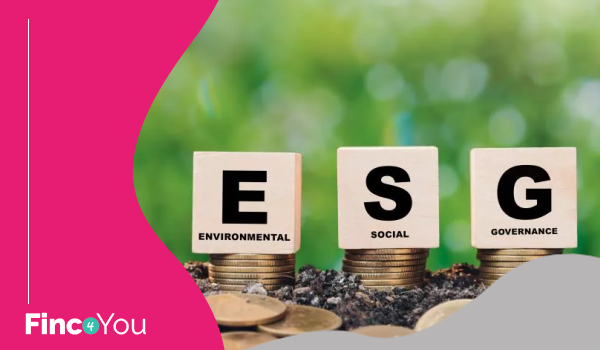
The world of ESG and sustainable investment trends is evolving rapidly, drawing the attention of investors eager to align their portfolios with environmental and social values. Whether you’re new to ESG investing or looking to deepen your understanding, our comprehensive analysis will provide valuable insights.
Understanding ESG Criteria
ESG criteria, which stand for environmental, social, and governance, serve as a critical framework for evaluating the sustainability and ethical impact of an investment in a company. These criteria guide investors in their decision-making processes by focusing on a company’s approach to sustainability, human rights, corporate governance, and other socially responsible practices.
Environmental criteria consider how a company performs as a steward of the natural environment, including factors such as waste management, resource consumption, and carbon emissions. Companies with strong environmental strategies often seek to minimize ecological impact, encouraging sustainable practices across their operations.
In the social dimension, the focus shifts to how companies manage relationships with employees, suppliers, customers, and communities. Social responsibility includes promoting diversity, equity, and inclusion, ensuring worker safety and fair labor practices, and having a direct impact on community welfare.
Governance criteria relate to the leadership, executive pay, shareholder rights, and the internal controls of a company. Strong governance encompasses ethical business practices, transparent accounting, and a board structure that considers stakeholder interests.
Understanding the ESG criteria is essential for assessing the long-term sustainability and ethical footprint of an investment. It empowers investors to make more informed decisions that align with their values and financial goals.
The Impact of ESG on Investment Decisions

Environmental, Social, and Governance (ESG) factors have become a cornerstone in the evaluation of investment opportunities. Investors are increasingly considering ESG aspects to not only seek financial returns but also to uphold ethical standards and align with global sustainability goals.
Understanding how ESG impacts investment decisions is crucial in today’s market. Companies with strong ESG profiles tend to show better operational performance and often have a lower cost of capital. They are perceived as lower risk because they are better equipped to manage environmental and social challenges.
Analysts rigorously evaluate ESG scores, integrating them into traditional financial analysis. Due diligence now involves examining a company’s environmental impact, such as carbon emissions and resource use, alongside its social responsibility actions and governance practices. These factors are becoming predictive indicators of a company’s future financial performance.
An investor’s perspective on risk and opportunity is also greatly influenced by ESG considerations. For instance, businesses with poor environmental records may face regulatory fines or a backlash from consumers, affecting their reputation and financial health. Conversely, companies actively investing in sustainable practices often enjoy enhanced brand loyalty and a stronger market position.
Market demand for sustainable investment products is on the rise. Mutual funds and ETFs that focus on ESG factors are proliferating, offering investors diversified portfolios that align with their values. This shift is driving companies to improve their ESG profiles to attract capital from these funds.
The economic imperative for ESG is clear: it’s not just about doing good but also about realizing that sustainable practices can result in stable and long-term profits. Investors and corporations alike are recognizing that ESG factors are critical in building future-ready businesses capable of thriving in a world that increasingly prioritizes sustainability.
Future Trends in Sustainable Investing
Sustainable investing is continually evolving, driven by innovation and changing expectations. As the focus on Environmental, Social, and Governance (ESG) factors intensifies, new trends are shaping the future of this dynamic field.
Technological Advancements
With the explosion of technology, we’re seeing data analytics, machine learning, and artificial intelligence taking center stage in assessing ESG criteria. These technologies enhance the ability to measure impact, assess risks, and make informed decisions swiftly.
Increased Corporate Transparency
There’s a growing demand for corporations to disclose their environmental and social impacts. Investors and consumers are urging companies to provide more comprehensive ESG reports. This shift promises greater accountability and fosters trust among stakeholders.
Sustainable Bonds and Green Financing
Investment in sustainable bonds, such as green and blue bonds, is on the rise. These financial instruments are designed to fund projects with positive environmental outcomes, further integrating sustainability into the investment landscape.
Regulatory Developments
Globally, regulations are becoming stricter, pushing for more robust ESG integration. Governments and regulatory bodies are implementing guidelines that standardize ESG reporting, making it easier for investors to compare and evaluate opportunities.
Focus on Social Equity
There’s an increasing emphasis on the social aspect of ESG. Issues such as labor rights, diversity, equity, and inclusion (DEI) are gaining prominence. Investors are keen to support companies that prioritize their social responsibilities.
Aligning with the UN SDGs
Many investors are aligning their strategies with the United Nations Sustainable Development Goals (SDGs). This alignment helps focus on long-term sustainable impact across various sectors and regions.
These trends underline the growing importance and complexity of sustainable investing. As the landscape continues to change, staying informed and adaptable is crucial for investors aiming to leverage these opportunities effectively.
