



The importance of commodities exports and trade relationships cannot be overstated. They play a pivotal role in shaping economic landscapes worldwide. Understanding which commodities are crucial, how trade agreements influence exports, and the challenges faced by exporters is vital for grasping global market dynamics.
Understanding Key Commodities in Global Trade
Global trade relies heavily on key commodities like oil, natural gas, precious metals, agricultural products, and minerals. These goods form the backbone of international transactions and impact economies worldwide. Understanding the dynamics of these commodities is vital for countries aiming to leverage trade relationships for economic advantage.
Each commodity has unique factors influencing its trade. Oil and natural gas, for instance, are crucial for energy consumption and are subject to geopolitical tensions and environmental considerations. Precious metals such as gold and silver are not only used in industries but also serve as investment vehicles during economic uncertainties.
Agricultural products, including grains, fruits, and vegetables, play a critical role in sustaining food security globally. These are affected by climate conditions, technological advancements in farming, and global demand. Minerals like copper and iron ore are essential for manufacturing and construction industries, making them vital for developing and developed nations alike.
Market Influences
The prices of these commodities are often volatile, influenced by supply-demand dynamics, government policies, and international market trends. Currency fluctuations and trade agreements between countries also contribute to how commodities are traded and priced on the global market.
To maximize benefits from key commodity exports, nations must strategize effectively, understanding global market demands and optimizing their production and export processes. Engaging in informed trade practices allows countries to navigate and capitalize on these opportunities in the complex world of global trade.
The Role of Trade Agreements in Export Dynamics
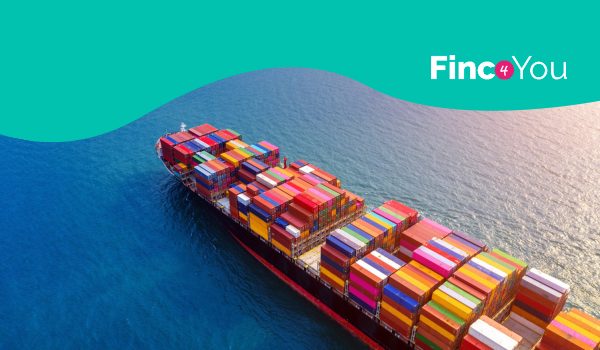
Trade agreements are pivotal in shaping the landscape of export dynamics. By reducing tariffs and non-tariff barriers, these agreements facilitate easier access to new markets for commodities. Countries engage in bilateral or multilateral agreements to create a predictable environment that allows exporters to confidently explore and expand their business reach.
One important aspect of trade agreements is that they often lead to standardization of customs procedures, making it easier for goods to move across borders. This reduces delays and costs associated with exportation, enhancing competitiveness for exporters. Additionally, such agreements might include intellectual property protections, which are crucial for advancing technology-associated products in the commodities sector.
Furthermore, trade agreements can include safeguards for sustainable development and environmental standards. This aligns with global movements towards eco-friendly trade practices, thus ensuring that economic growth does not come at the expense of the planet.
While these agreements open up significant opportunities, they also come with challenges. Countries need to align their domestic policies to the terms of the agreements. Local industries might face increased competition from imports, a factor that demands strategic adaptation and support from governmental policies to maintain balance.
Overall, trade agreements are crucial tools that mold the pathways of export dynamics, enabling nations to leverage their commodities on the global stage while navigating challenges efficiently.
Challenges and Opportunities in Commodities Exportation
The world of commodities exportation is both vast and complex, offering a multitude of challenges and opportunities for businesses and countries involved. Various elements play a critical role in the smooth operation of exporting commodities, which include market demand, production capacity, and international trade policies. Understanding these factors is crucial for effectively navigating this dynamic sector.
One significant challenge faced by exporters is the volatility of commodity prices. Factors such as geopolitical tensions, natural disasters, and changes in global demand can cause substantial price fluctuations. Exporters need to develop strategies to manage these risks effectively, such as diversifying their markets or hedging against price swings.
Another challenge is the complex regulatory environment across different countries. Each nation may have its unique trade regulations, tariffs, and compliance requirements, which can complicate the export process. Businesses must stay informed and compliant with these rules to avoid disruptions.
On the opportunity side, the growth of emerging markets presents new avenues for commodity exports. As nations develop, their demand for essential commodities like oil, gas, and agricultural products increases. Exporters can capitalize on these growing markets by establishing strong trade relationships and understanding local market needs.
Technological advancements also offer potential opportunities. Innovations in logistics and supply chain management can enhance efficiency and reduce costs, making it easier for exporters to enter new markets and maintain competitiveness. By leveraging technology, businesses can improve their operations and respond more agilely to market changes.
In conclusion, while the realm of commodities exportation is fraught with challenges, it is also ripe with opportunities for those willing to adapt and innovate. By understanding and addressing the various aspects of exportation, businesses can navigate this dynamic environment more effectively.
